When Updates, Messages, and Requests Start Piling Up
Most managers I know don’t struggle because they lack effort. They struggle because information comes from every direction at once.
A team member sends a quick update in chat. Another person mentions a blocker in a meeting. A customer request lands in email. Then someone asks which task matters most right now.
That is where the real pressure starts. Not in making one decision, but in sorting the noise fast enough to keep the team moving.
In the past, a good manager was the person who could keep many balls in the air. That is still true, but the amount of information has grown so much that memory alone is no longer enough.
The managers who stay ahead will be the ones who know how to turn scattered updates into clear next steps.
A New Kind of Daily Workflow
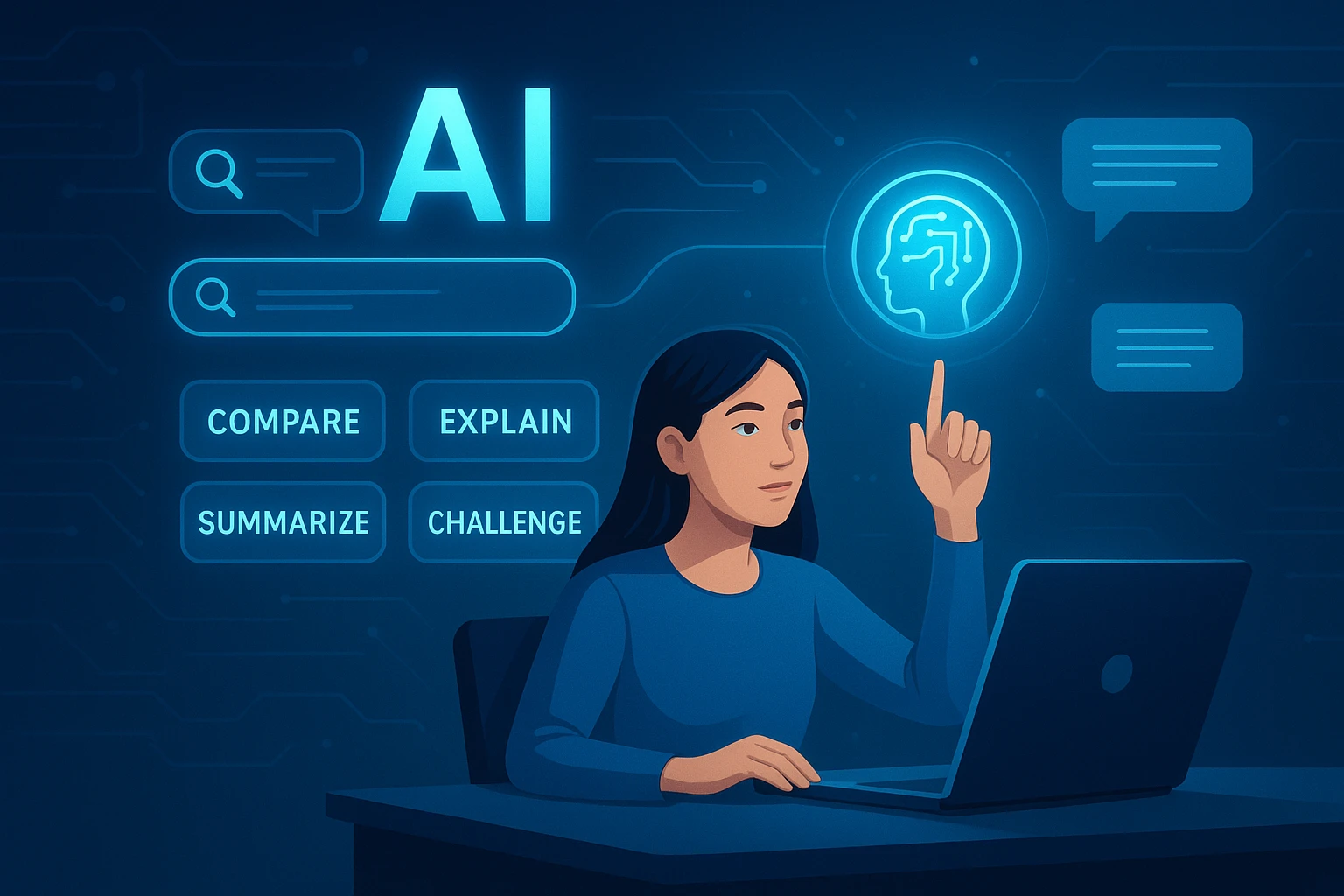
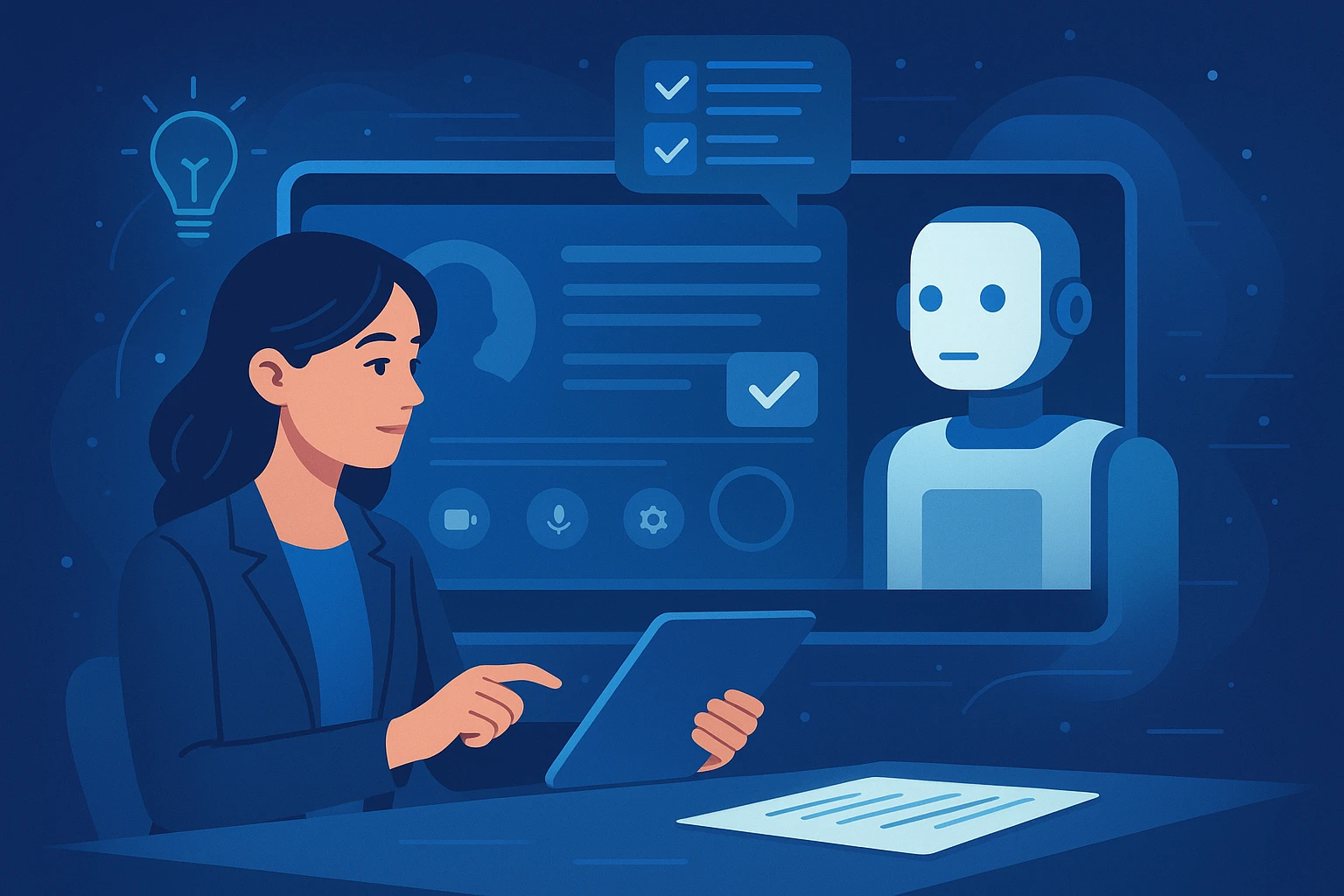
AI is already changing the manager’s day in a very practical way. Instead of reading every update one by one and trying to build a mental picture, a manager can ask AI to summarize, spot patterns, and highlight blockers.
Imagine opening your day with a simple summary: what changed overnight, what is stuck, and what needs attention first. That alone can save a lot of time and mental energy.
It is not about letting AI make the final call. It is about getting to the point where you can make a better call faster.
A future manager workflow may look something like this: gather team updates, ask AI to condense them, identify risks, and then use that snapshot to decide what should happen today, this week, or not at all.
That is a big shift. The manager becomes less like a human inbox and more like a decision-maker with a very fast assistant.
The Part AI Still Needs From You
Here is the important part: AI is helpful, but it is not magically smart on its own. It needs direction.
If you ask a vague question, you will get a vague answer. If you give clear goals, simple limits, and useful context, the result becomes much better.
For example, “Help me with this project” is too broad. But “Summarize the team updates, flag blockers, and tell me which task affects our deadline most” gives AI something it can actually work with.
Good prompts are not about sounding clever. They are about being clear enough that the tool can do real work for you.
This is why prompt thinking will matter more and more. Not because everyone needs to become technical, but because everyone will need to know how to ask better questions.
The people who can give clear instructions will get better results from AI, faster than the people who guess and hope.
What Better Manager Outputs Can Look Like
Once you get the hang of it, the results can be surprisingly useful. AI can turn messy notes into something you can actually act on.
Here are a few examples I can easily imagine a manager using on a normal day:
- A clean team summary that says who finished what, who is blocked, and what needs follow-up.
- A priority list that groups tasks by urgency, impact, and deadline.
- A quick meeting recap with decisions, action items, and owners.
- A draft message to send to the team when plans change.
These are not fancy ideas. They are the kinds of outputs that save time in real life.
Think about a busy Monday morning. Instead of digging through ten messages and three meeting notes, you could ask for a short version that tells you what matters most. That kind of support changes how a day feels.
It also helps teams move with more confidence. When priorities are clear, people waste less time waiting, guessing, or asking the same question twice.
Clear Direction Will Become a Real Advantage
The managers who do well in the AI era will not simply be the ones who use more tools. They will be the ones who know how to give clear direction.
That is the real skill hiding underneath all the buzz. Knowing what to ask, what to include, and what outcome you want will matter in work, school, business, and content creation.
It is a bit like learning to write good emails years ago. At first it felt optional. Then it became normal. Prompting is heading in the same direction, only faster.
If you can clearly explain what you need, you will be able to use AI as a practical support system instead of a confusing novelty.
This is why starting now is smart. The people who practice early will feel much more comfortable when AI becomes part of everyday management.
And honestly, that future is already showing up. The sooner you get used to organizing your thoughts for AI, the easier it will be to manage information, people, and priorities without feeling buried by all three.