Category: AI for Work

  • AI Will Not Make DECISIONS for You It Will Expose Better Options

    AI Will Not Make DECISIONS for You It Will Expose Better Options

    When Every Choice Starts to Feel Heavy

    There are days when even small decisions feel tiring. Which email should I answer first? Should I say yes to this project? Is this tool actually worth paying for?

    If that sounds familiar, you are not alone. Most people do not struggle because they are lazy; they struggle because they are juggling too many choices with too little clarity.

    That is where AI can be surprisingly useful. Not because it will magically pick the right answer for you, but because it can help you see the decision more clearly.

    The real value is not in getting an answer faster. It is in understanding the options better before you choose.

    A Simple Way to Use AI When You Need to Decide

    I have found that the best way to use AI is like asking a very organized friend to help you think out loud. You give it the situation, the goal, and the limits, and it helps break the problem into pieces.

    Instead of asking, “What should I do?” try asking, “Help me compare these choices based on cost, time, and effort.” That one shift changes everything.

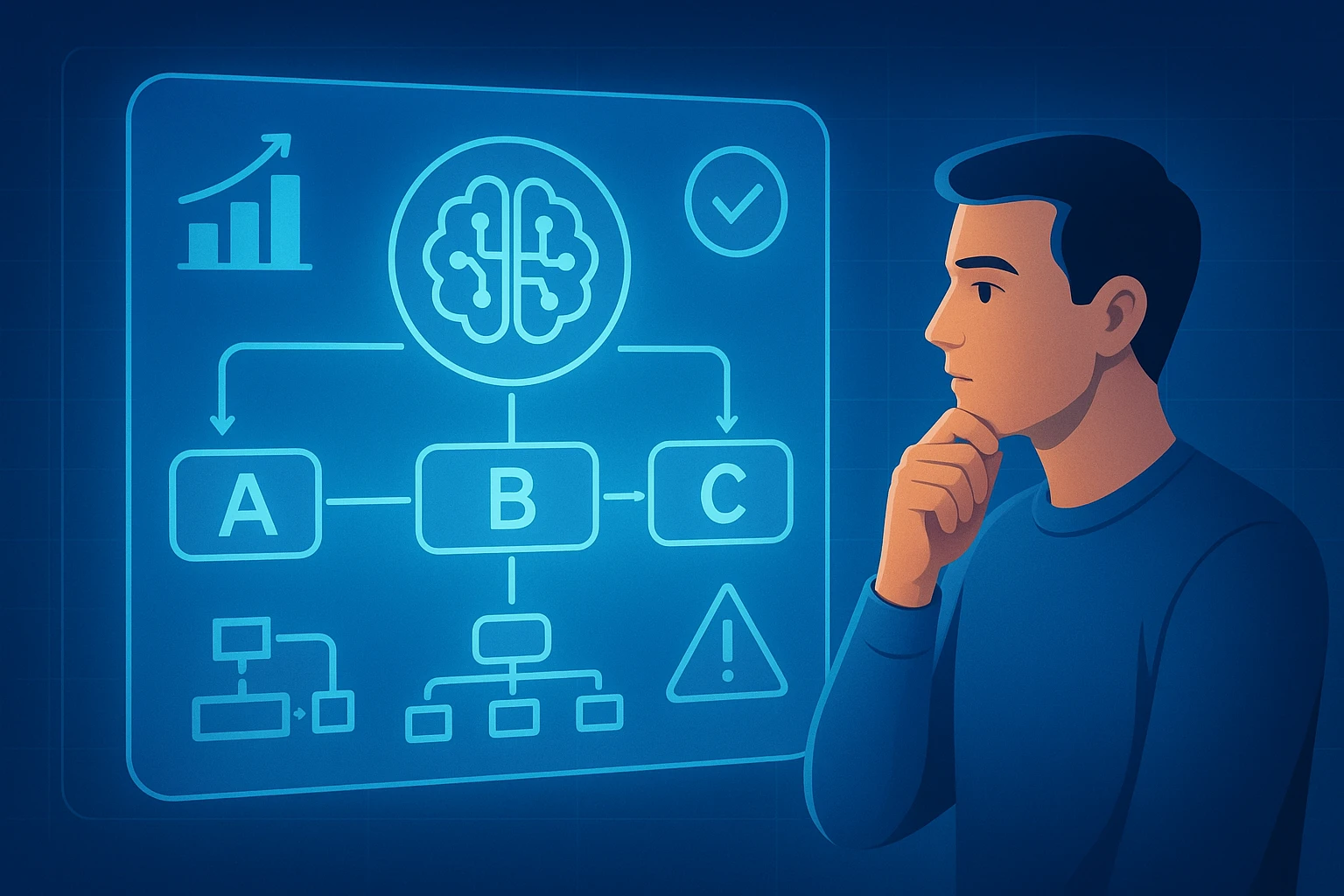
    AI works best when you use it in a decision workflow rather than as a fortune teller. First, describe the situation. Then ask for options. Then ask for trade-offs. Then ask what might be missing.

    This is helpful in everyday life too. Choosing a phone plan, deciding whether to take a course, planning a marketing idea, or figuring out how to spend a limited budget all become easier when the problem is laid out clearly.

    What AI Can Bring to the Table

    One of the most useful things AI can do is expand your view. When we are stressed, we usually think in a narrow way: yes or no, stay or leave, buy or wait.

    AI can show you multiple options you may not have considered. It can also help with the boring but important part: listing the pros, the cons, and the hidden risks.

    For example, if you are choosing between two job offers, AI can help you compare salary, commute, flexibility, growth potential, and stress level. That does not decide for you, but it does make the choice less blurry.

    It can also challenge your assumptions. Maybe you think a bigger option is always better. Maybe you assume a cheaper tool must be worse. AI can ask, “What if the opposite is true?” That question alone can save a lot of regret.

    Some of the best decisions happen after your first idea gets politely questioned.

    Why Clear Criteria Change Everything

    Here is the part people often miss: AI can only help as much as your success criteria are clear. If you do not know what matters most, the answer will feel vague no matter how smart the tool is.

    Before asking for help, decide what you actually want. Is it the cheapest option? The fastest one? The one with the least risk? The one that gives the most freedom later?

    These constraints matter just as much as the goal. A great option on paper may be useless if it takes too much time, costs too much money, or creates more work than you can handle.

    For example, if you are picking a content idea, “best” could mean easiest to make, most likely to get attention, or most useful for your audience. Those are very different answers.

    Good inputs lead to better support. That is true with AI, and honestly, it is true with people too.

    So instead of asking only for a recommendation, give the tool your boundaries. Say what you can spend, what you cannot do, and what outcome matters most. That is when the help gets really useful.

    Better Questions Lead to Better Decisions

    The biggest mindset shift is this: AI is not there to be the boss of your choices. It is there to make your thinking sharper, calmer, and more structured.

    If you feed it a messy question, you will usually get a messy answer. If you feed it a clear situation, a real goal, and a few honest limits, it can become a very strong decision partner.

    That is why learning how to ask better questions is becoming such an important everyday skill. Not someday. Now.

    Whether you are planning work, school, business, or personal life, the people who learn to guide AI well will spend less time guessing and more time choosing with confidence. The skill is not just using AI. It is knowing how to direct it.

    In the future, the people who get the most from AI will not be the ones who ask the most questions. They will be the ones who ask the right ones.

    That is why this is worth learning early. Once you understand how to shape a prompt, you stop treating AI like a toy and start using it like a practical thinking tool. And that changes the quality of every decision that comes after.

  • Your PROMPT Is the Brief. AI Is the Assistant.

    Your PROMPT Is the Brief. AI Is the Assistant.

    AI Works Better When You Treat It Like an Assistant

    I still remember the first time I used an AI tool and expected it to “just know” what I wanted. I typed a few words, hit enter, and got something vague, stiff, and honestly not very useful.

    That was the moment I realized something important: AI is not a mind reader. It works much more like a very fast assistant who is waiting for clear directions.

    Think about asking a coworker for help. If you say, “Can you handle this?” you may get something technically done, but probably not in the way you needed. If you give a simple, specific brief, the result gets much better.

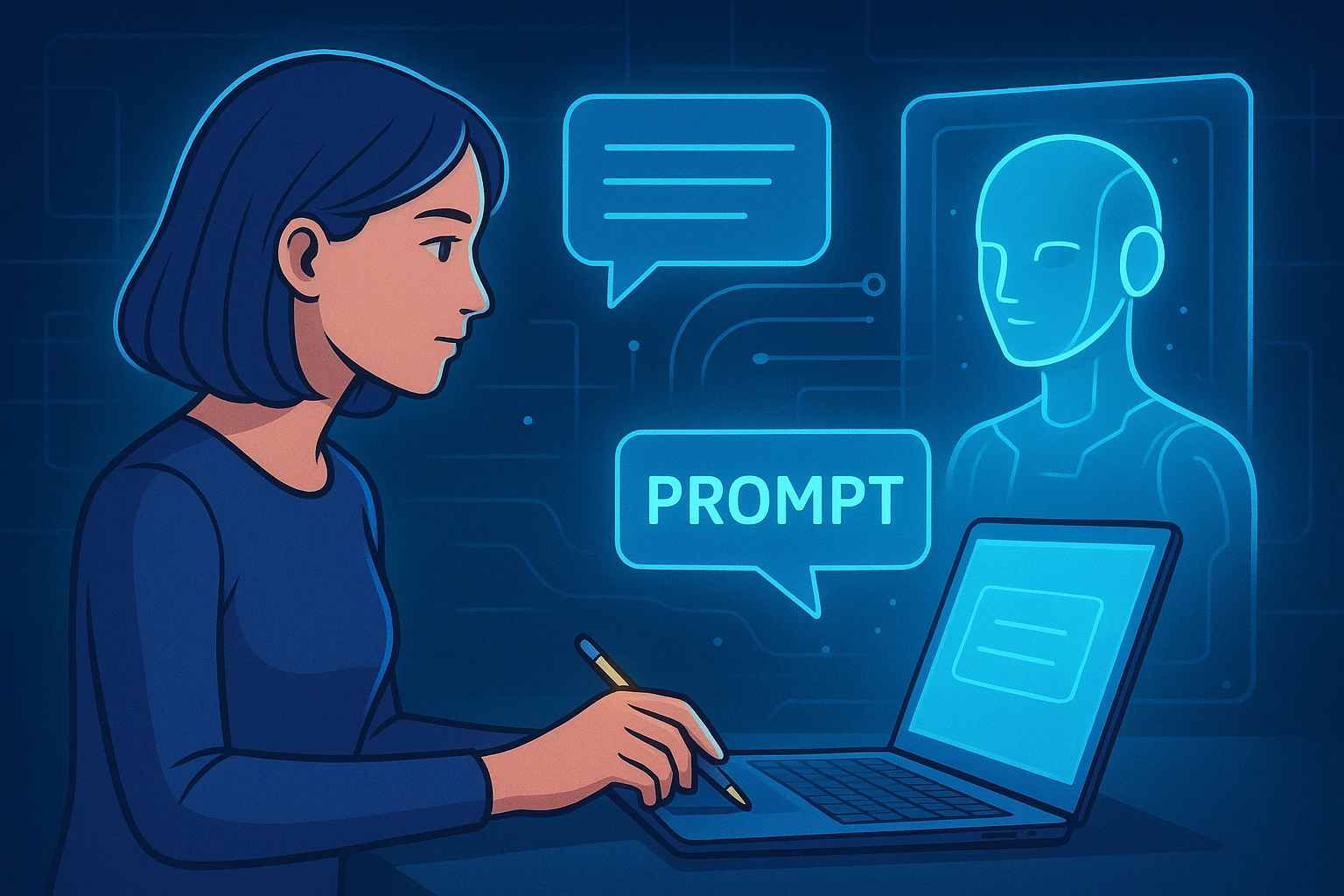
    Prompt engineering is really just that idea, but for AI. It is the skill of telling the assistant what you need, in a way it can actually use.

    What a Useful Brief Really Includes

    A good brief does not have to be long or fancy. In fact, the best ones are often short, clear, and practical.

    When I write a prompt, I try to include a few basics: what I want, who it is for, the tone I need, and the format I want back. That alone can change the quality of the answer a lot.

    For example, if I want help writing an email, I do not just say “write an email”. I explain the purpose, the person receiving it, and whether I want it to sound friendly, professional, or firm.

    The more useful the brief, the less correcting you have to do later. That is the part people miss at first. They think prompt writing is about clever wording, but it is really about giving the assistant enough context to do a good job.

    Once you start thinking this way, every AI tool becomes easier to use.

    Here is a simple structure that helps in everyday situations: task, context, constraints, and output format. You do not need to memorize those words. You just need the habit of being clear.

    Why “Bad Prompt vs Good Prompt” Changes Everything

    Let’s make this real. Imagine you are asking AI to help with a school project or a work task.

    A bad prompt might be: make this better. That is too open. The AI has no idea whether you want simpler language, a shorter version, a more persuasive version, or a cleaner structure.

    A more useful prompt would be: Rewrite this for a school presentation for 14-year-olds. Keep it simple, friendly, and under 150 words.

    See the difference? The second prompt gives the assistant a clear job. It knows the audience, the style, and the length.

    That is the whole game. Not magic. Not tricks. Just better instructions.

    Here is another example from business. A weak prompt might be: Give me marketing ideas. That can lead to random answers that sound impressive but are not practical.

    A better version would be: Give me 5 low-cost marketing ideas for a small bakery that wants more local customers. Keep them realistic for a one-person team.

    Specific prompts create specific answers. Broad prompts create broad, often disappointing answers.

    In my experience, the moment people start writing clearer prompts, they feel like the AI “got smarter.” Usually, it did not get smarter. The brief just got better.

    Where This Skill Helps in Everyday Life

    This is not only for tech people or content creators. It helps in normal life more than most people expect.

    If you are a student, you can ask AI to explain a topic in simple words, create study questions, or turn messy notes into a clean outline. If you are working, you can use it to draft emails, summarize meetings, or organize your ideas before a presentation.

    For small business owners, it can help with product descriptions, customer messages, social posts, and even brainstorming offers. For parents or busy people, it can help plan meals, sort schedules, or write a message you do not have time to overthink.

    The useful part is not that AI does the work for you. The useful part is that it helps you work faster, think more clearly, and start with a better draft.

    That is why prompt skill matters across so many different tasks. The more people use AI, the more valuable it becomes to know how to guide it well.

    If you can explain what you want clearly, AI can become a real daily helper instead of a confusing toy.

    Prompt Engineering Is the Skill Behind Good AI Results

    The biggest mistake I see is people treating AI like a search box. They type a few words and hope for brilliance.

    But AI works best when you give it a usable brief. That is what prompt engineering really means: learning how to ask in a way that gets useful answers.

    You do not need to become an expert overnight. You just need to practice the habit of being clear, adding context, and saying what “good” looks like.

    That skill will matter more and more as AI becomes part of daily work, school, business, and content creation. People who know how to direct AI will save time, make fewer mistakes, and get better results with less effort.

    Start now, while the skill is still easy to learn. The people who get comfortable with prompts early will have a real advantage later.

    In the future, knowing how to brief AI well will feel less like a bonus and more like a basic life skill.

    Your prompt is the brief. AI is the assistant. And prompt engineering is simply the habit of giving that assistant what it needs to help you properly.

  • Workplace LEARNING Will Become Personal, Not One Size Fits All

    Workplace LEARNING Will Become Personal, Not One Size Fits All

    Why So Many People Tune Out of Workplace Training

    Most of us have sat through training that felt like it was made for someone else. The examples were too generic, the pace was too fast, and the advice didn’t match the real job we were trying to do.

    That kind of training creates a strange feeling: you’re supposed to learn, but you’re also trying to survive it. After a while, people stop paying attention, not because they don’t care, but because the content doesn’t feel useful.

    I’ve seen this happen again and again: people are perfectly capable of learning, but the lesson never meets them where they are. One person needs a simple explanation, another needs advanced detail, and another just wants to know how this fits into their daily work.

    This is where AI changes the game. Instead of forcing everyone through the same lesson, AI can help create learning that feels more personal, more practical, and much easier to use.

    How AI Can Shape Learning Around Real People

    Think about how you already use AI in daily life. You ask a question, and the answer can be short, detailed, simple, or full of examples depending on how you ask. Workplace learning can work the same way.

    AI can adjust the lesson to the person, not the other way around. If someone is new, it can explain the basics in plain language. If someone already knows the topic, it can skip ahead and focus on more useful next steps.

    That means learning workflows can become much more flexible. A person could ask for a quick summary before a meeting, a step-by-step explanation during a task, or a more advanced version when they’re ready to go deeper.

    The real shift is this: training stops being a fixed event and becomes an ongoing support system. You don’t just “take a course” and hope it helps. You learn in the moment, in the way that makes sense for your job.

    AI can also change the tone of the lesson. It can sound more formal for work use, more friendly for beginners, or more concise when time is short. That flexibility is one reason it feels so useful.

    What Personalized Learning Looks Like in Practice

    Let’s make this real. Imagine you’re trying to learn how to write better customer emails. AI could help in a few different ways, depending on what you need.

    First, it can explain. If you don’t understand why a certain email works, AI can break it down in simple terms. It can show you how tone, structure, and clarity affect the reader.

    Second, it can quiz you. A quick quiz helps you check whether you really understood the idea. This is especially helpful when you think you got it, but you’re not fully confident yet.

    Third, it can let you practice. You can draft an email, then ask AI to point out what’s unclear, too long, or too blunt. That kind of feedback feels a lot closer to real learning than just reading tips.

    Fourth, it can simplify. If a topic feels too complex, AI can turn it into a plain explanation, a checklist, or even a short example from everyday work.

    Here’s a simple example. A manager might ask for a training explanation in business language, while a student might ask for the same topic in “school-friendly” language. Same topic, different learner, better result.

    That’s the power of personalization: the lesson becomes easier to understand because it matches the learner’s world.

    Why You Need to Say What You Know and What You Want

    AI can only help well when it knows where you’re starting from. If you ask a vague question, you’ll usually get a vague answer. If you explain your level and your goal, the support gets much better.

    This is why self-explanation matters so much. You don’t need to sound smart. You just need to be honest about what you know, what you don’t know, and what you want to do next.

    For example, you might say, “I’m new to this and need a very simple explanation,” or “I understand the basics, but I need help applying this to my job.” That small detail changes everything.

    When you give context, AI can tailor the response. It can choose better examples, a better level of detail, and a better next step. Without context, it has to guess.

    That means the learner becomes part of the learning process. The better you describe your situation, the better the AI can support you. This is not about being technical. It’s about being clear.

    And honestly, that skill will matter more and more. People who can explain their needs well will get better help, learn faster, and waste less time.

    The Better You Explain Yourself, the Better AI Can Teach You

    The future of workplace learning won’t be one giant course that everyone tolerates. It will be more like a conversation, where the learner asks, the AI adapts, and the answer gets closer to what the person actually needs.

    That makes prompt skill a practical life skill. It helps you learn, solve problems, write better, plan faster, and ask smarter questions. In work, school, and content creation, that is becoming a real advantage.

    The people who get comfortable asking better questions will probably learn faster than the people who wait for perfect instructions.

    If you can describe your level, your goal, and your situation clearly, you’re already ahead. That’s the simple habit that makes AI more useful every time you use it.

    And that is why this is worth learning now. Not because it sounds trendy, but because the way we learn at work is changing for good. The sooner you get good at guiding AI, the more useful it becomes in everyday life.

  • The FIRST AI Answer Is Usually Not the Final Answer

    The FIRST AI Answer Is Usually Not the Final Answer

    Why We Say “Yes” to the First AI Answer Too Fast

    When people first start using AI, there is a very common moment: you ask something, get an answer, and think, “Okay, that works.” I did the same thing at the beginning. It feels fast, helpful, and honestly a little impressive.

    But the first answer is often just a starting point, not the best result. AI can sound confident even when the answer is too broad, too wordy, or not quite right for your real need.

    This is where many people stop too early. They accept the first response because it looks finished, even though a few small changes could make it much more useful.

    That habit matters. If you learn to improve AI answers instead of settling, you get better results for work, school, business, and everyday life.

    Why Better Results Come From Asking Again

    Good AI use is not about asking once and hoping for magic. It is about guiding the answer step by step until it fits what you actually need.

    The first reply usually reflects only the most obvious interpretation of your request. When you refine it, you help the AI focus on the right tone, length, format, and level of detail.

    This is why iteration is so powerful. You are not starting over; you are improving the same idea.

    The people who get the best results from AI are rarely the ones who ask the fanciest question first. They are the ones who know how to shape the answer after the first draft appears.

    Think of it like talking to a helpful assistant. If you say, “Make this better,” you usually need to explain what better means. More concise, more friendly, more formal, more practical — each direction changes the outcome.

    Small changes in your prompt can create a big change in the result. That is why learning to refine is so important.

    Simple Ways to Refine What AI Gives You

    You do not need special skills to improve an AI answer. You just need a few simple follow-up commands that can steer the response in the right direction.

    Try asking for shorter versions. If the answer feels too long, say: “Make this shorter and easier to scan.”

    Ask for a different tone. You can say: “Rewrite this in a warmer, more natural tone” or “Make this sound more professional.”

    Request more clarity. If the answer is confusing, try: “Explain this in simple words for a beginner.”

    Compare options. You can ask: “Give me three different versions so I can choose the best one.”

    Focus on your use case. Try: “Rewrite this for a student,” “Make this useful for a small business owner,” or “Turn this into a social post.”

    One of the best habits is asking for a second draft right away. The first answer is the rough version. The second answer is where things usually start to click.

    A Realistic Example of Improving a Prompt

    Let’s say you ask AI: “Write a message to a client about a meeting change.”

    The first answer might be polite, but also a little stiff and vague. It may sound like something anyone could send, which is exactly the problem.

    You could improve it by saying: “Make it shorter, friendlier, and more human. Keep it professional, but not too formal.”

    Now the result usually feels more natural. It is easier to send, easier to understand, and more likely to sound like you.

    Here is another common case. A student asks for help with an essay topic and gets a long explanation that is hard to use. The better move is not to give up. Instead, say: “Summarize the main points in simple language and give me a clear outline.”

    That small change turns a generic response into something practical.

    I have seen this happen over and over: the first answer looks useful, but the second or third version is the one people actually keep.

    Improvement is not a bonus skill. It is the difference between “interesting” and “helpful.”

    Why Learning This Skill Matters More Than Ever

    AI is becoming part of normal life faster than most people expected. It is showing up in writing, research, planning, customer support, marketing, learning, and everyday decision-making.

    That means the ability to guide AI well is quickly becoming a basic life skill. Not just for tech people. Not just for experts. For everyone.

    If you can ask better follow-up questions, you can save time, reduce frustration, and get answers that fit your real situation. That is useful whether you are writing a work email, studying for a class, planning a trip, or creating content.

    Prompt engineering is really just the skill of improving communication. You learn how to say what you mean more clearly, and you learn how to shape an answer until it becomes useful.

    That is why it is worth starting now. The sooner you get comfortable refining AI responses, the faster you will see better results.

    People who learn this early will have a big advantage later. They will not just know how to use AI. They will know how to make it work for them.

    Why “Good Enough” Is Usually Not Good Enough

    It is tempting to stop when an answer seems acceptable. But acceptable is not always the same as effective.

    The truth is, most AI responses improve with one more round of editing, comparison, or simplification. That small effort often saves more time than it takes.

    The real skill is not getting an answer. The real skill is getting a better answer.

    And once you learn how to do that, you stop treating AI like a one-time tool and start using it like a partner you can shape.

    That is the future of working with AI: not one-shot asking, but thoughtful improvement.

    So if you are just getting started, focus less on perfect prompts and more on the habit of refining. Ask again. Simplify. Compare. Rewrite. Improve.

    That is prompt engineering in the real world. And it is quickly becoming one of those skills that will matter in almost every area of life.

  • Company KNOWLEDGE Will Stop Living in Random Chats and Forgotten Docs

    Company KNOWLEDGE Will Stop Living in Random Chats and Forgotten Docs

    The hidden cost of messy workplace knowledge

    Most teams don’t have a knowledge problem. They have a finding problem.

    The useful information is usually there somewhere, but it lives in random chat threads, half-finished docs, old meeting notes, and someone’s memory. Then the same question gets asked again next week, and again after that.

    That is where work quietly gets expensive. Not because people are careless, but because knowledge is scattered. I’ve seen small teams waste hours trying to remember simple things like how to send a client update, what the refund rule is, or which version of a process is the latest one.

    AI changes this in a very practical way. It can help turn scattered bits of information into something organized, readable, and reusable. And for most people, that is the real value: less guessing, less repeating, and less hunting.

    How AI can help turn messy notes into useful workflows

    The easiest way to think about AI is not as a magic writer. Think of it as a very fast helper that can take rough material and shape it into something useful.

    You can give it meeting notes, screen recordings, chat exports, voice notes, or even a messy brain dump. Then you ask it to sort the information into sections, remove repetition, and turn the result into a draft you can actually use.

    That draft is not the finish line. It is the starting point.

    The best teams use AI to speed up the first version, then a human checks it for accuracy and makes it fit the real world. That is a huge shift, because documenting work usually feels slow and annoying. AI makes it feel more like organizing a pile of loose papers into folders.

    I’ve found that the moment people stop asking “Can AI do this perfectly?” and start asking “Can AI help me get 70% there faster?” everything becomes easier.

    For example, after a client call, you can paste your notes and ask for a summary of decisions, next steps, and open questions. After that, you can ask it to turn that summary into a simple process your team can repeat.

    What this can create: the documents people actually use

    When knowledge is organized well, it becomes something people rely on instead of something they ignore. AI is especially useful for creating the everyday documents that make teams run smoothly.

    SOPs, or standard operating procedures, are one of the best examples. These are the step-by-step instructions that explain how to do a repeat task. Instead of sitting in someone’s head, they can live in a shared document that anyone can follow.

    FAQs are another easy win. If your inbox keeps getting the same questions, AI can help collect those questions and draft clear answers. That means fewer interruptions and faster replies.

    Checklists are great for tasks that need consistency. Launching a post, onboarding a new client, preparing a report, packing for an event, or closing out a project all become easier when the steps are written down in the right order.

    Onboarding notes are especially valuable for new hires, freelancers, or even a new team member inside a small business. Instead of saying “just ask around,” you can give them a simple starting point that explains what matters, who does what, and where to find things.

    These are not fancy documents. They are the documents that save time every single week.

    Why good structure matters more than fancy writing

    A lot of people think documentation fails because the writing is weak. In reality, it usually fails because the structure is weak.

    If information is buried in long paragraphs, people won’t use it. If the order is confusing, people will skip steps. If the same idea appears in three different places, no one knows which version to trust.

    Structure makes knowledge usable. That means clear headings, short sections, simple steps, and a logical flow from start to finish. It also means deciding what belongs in the document and what does not.

    Good structure is what turns “notes” into “knowledge.” A messy collection of facts can be helpful, but only if someone can quickly understand it and apply it.

    AI is very good at helping with structure, but only when you ask clearly. If you say, “turn this into a step-by-step checklist,” you usually get something far better than if you say, “clean this up.”

    This is why the skill matters so much: the clearer your request, the better the result, and the faster your team learns from it.

    In my experience, the people who get the most value from AI are not the ones with the fanciest tools. They are the ones who know how to ask for the right shape of output.

    The teams that explain work well will have the advantage

    We are moving toward a world where knowing how to describe a task clearly will matter almost everywhere. In school, at work, in business, and in content creation, the people who can turn vague ideas into useful instructions will move faster.

    That is why prompt skill is becoming a real life skill. Not because everyone needs to be “technical,” but because everyone benefits from better answers, better drafts, and better systems.

    Teams that can capture knowledge clearly will stop losing time to repetition. They will build smoother onboarding, fewer mistakes, and stronger internal systems. Over time, that becomes a real advantage.

    The good news is you do not need to learn everything at once. Start with one repeated task, one messy note, or one question your team keeps asking. Ask AI to help you organize it, then improve the result a little at a time.

    That habit compounds fast. Once you see how much easier life gets when work is written down well, you’ll stop treating documentation like extra admin and start seeing it as one of the most valuable things your team can build.

  • AI REWARDS People Who Can Explain What They Want

    AI REWARDS People Who Can Explain What They Want

    AI Starts With What You Say, Not What You Mean

    AI cannot read your mind. That sounds obvious, but it is the number one reason people get disappointing results. They open a tool, type a few words, and hope it understands the full picture.

    I used to do the same thing. I would ask for “a better email” or “some ideas for my post,” and then feel annoyed when the answer was too vague. The tool was not being lazy. My request was unclear.

    The important shift is this: AI responds to instructions, not feelings. If you want a useful answer, you need to explain what you want in a way another person could follow. That is why prompting matters so much.

    Why Clear Requests Lead to Better Results

    Good results usually come from three things: clarity, context, and outcome. If you give all three, AI has a much better chance of helping you in a useful way.

    Clarity means saying exactly what you need. Instead of “help me write something,” try “write a short friendly message to a client who missed a meeting.” That small change gives the tool a direction.

    Context means adding the background. If you are a student, say that. If you are writing for customers, say that too. The more useful the situation, the more useful the answer.

    Outcome is the final shape you want. Do you want a list, a summary, a caption, a script, or a step-by-step plan? When you name the finish line, AI has a much easier job getting there.

    I have found that even one extra sentence can completely change the output. A vague request often gives a generic answer. A clear request gives something you can actually use.

    What Goes Wrong When the Instructions Are Too Thin

    When instructions are incomplete, AI usually fills the gaps with guesswork. Sometimes that guess is fine. Often it is not.

    For example, if you say, “Write a social post about my business,” the tool may make something polished but meaningless. It does not know who your customers are, what you sell, or what action you want people to take. It is forced to invent the missing pieces.

    The same thing happens in everyday work. Ask for “a presentation outline” and you might get a very general version. Ask for “a 5-slide outline for first-time buyers, with simple language and one example per slide,” and the result becomes much more useful.

    This is why people sometimes blame the AI when the real issue is the request. The tool is powerful, but it is not magical. Weak input usually creates weak output.

    Here is a simple way to think about it: if a human assistant only heard half your instructions, would you expect a perfect result? Probably not. AI deserves the same kind of clear direction.

    A Simple Way to Ask Better

    You do not need a complicated system to get better results. You just need a repeatable way to explain yourself. My favorite method is to answer four questions before I send a prompt.

    1. What do I want? Be direct. Say the task in one sentence. For example: “I want a polite reply to this customer email.”

    2. Who is it for? Name the audience. A message for a boss is different from one for a friend, a student, or a client. Audience changes the tone.

    3. What should it sound like? Friendly, professional, short, warm, confident, simple, or persuasive. This keeps the answer closer to what you need.

    4. What should the final result include? Maybe you want bullet points, examples, or a version under 100 words. Format matters more than most people think.

    When I use this approach, I spend less time fixing the output. I also get closer to the result on the first try, which saves energy. That matters when you use AI often, not just once in a while.

    Why This Skill Is Becoming Essential

    We are moving into a world where AI is becoming part of normal life. People will use it to write emails, study faster, brainstorm ideas, plan work, build content, and solve everyday problems. The people who can explain what they want clearly will save time.

    This is not just a “tech skill.” It is a communication skill. And communication skills matter in jobs, school, business, and content creation. If you can guide AI well, you can move faster with less stress.

    That is why I think prompt engineering is becoming a must-have. Not because it sounds impressive, but because it helps you get better results from tools that are already part of daily life. The future will reward people who can think clearly and ask clearly.

    You do not need to become an expert overnight. Start by being more specific. Add context. Name the outcome. Then keep improving with practice.

    In the end, AI is only as helpful as the instructions you give it. The good news is that this is a learnable skill, and it is worth learning now. The sooner you get comfortable explaining what you want, the more useful AI becomes.

  • Your Next CAREER Plan Might Be Built With AI

    Your Next CAREER Plan Might Be Built With AI

    Career Uncertainty Feels Bigger Now

    It’s hard to ignore how much work is changing. New tools show up fast, job roles shift, and a lot of people quietly wonder if they’re keeping up.

    I’ve seen that feeling in students, job seekers, and even experienced professionals. The strange part is that the problem is not only about learning new software, but about learning how to talk to it clearly.

    That’s why the people who get comfortable with AI early will have a real advantage. Not because they know every feature, but because they know how to ask for help in a useful way.

    The good news is that you do not need a technical background to use AI well. You just need to learn how to guide it, like you would guide a smart assistant who needs a little context.

    How AI Can Fit Into a Real Career Workflow

    One of the easiest ways to understand AI is to stop thinking of it as a magic answer machine. It works better as a helper inside a simple workflow.

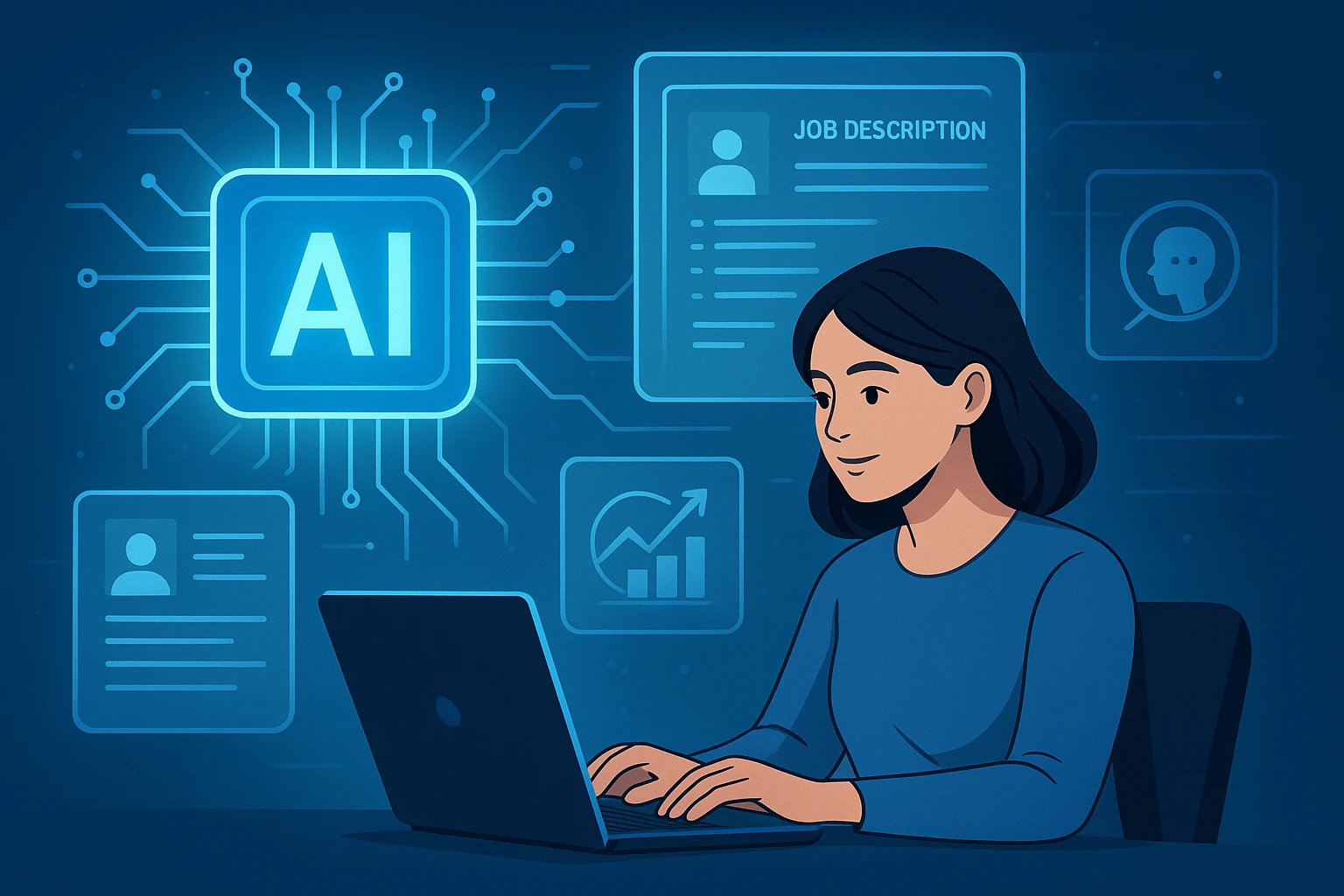
    For example, you can paste a job description and ask AI to point out the main skills, common responsibilities, and words the employer repeats. That saves time and helps you see what really matters instead of guessing.

    Then you can use that information to adjust your resume. A strong resume is not just a list of everything you have done; it is a focused summary of what matches the role.

    AI can also help you prepare for interviews by generating practice questions based on the job post. You can answer them out loud, notice what feels weak, and improve before the real conversation.

    It can even help you plan your next skill to learn. If your target role asks for data handling, writing, customer communication, or project coordination, AI can help you map the gap between where you are now and where you want to go.

    That is the real value: less guessing, more direction. When used well, AI turns a stressful job search into a clearer set of steps.

    Why Your Own Situation Changes Everything

    Here is the part people often miss: AI gives better help when it understands your context. The same advice is not equally useful for a college student, a parent returning to work, a freelancer, or someone trying to switch industries.

    If you say only, “Help me with my resume,” the result will be generic. But if you add details like your background, your target role, your strengths, and what you are worried about, the answer becomes much more practical.

    Personal context is what makes AI feel smart instead of vague. It tells the tool what to prioritize, what to avoid, and what kind of support you actually need.

    This is also why prompt skill matters so much. A good prompt is not about sounding impressive. It is about being clear, specific, and honest about your situation.

    In my experience, the best results come when people stop trying to “talk like AI” and start talking like themselves. When you explain your goal in plain language, the tool can meet you there.

    What Better Career Support Actually Looks Like

    Let’s make this concrete. If you are applying for a customer support role, AI can help you identify repeated phrases in the job description, such as “problem-solving,” “conflict resolution,” or “working across teams.”

    From there, you can rewrite your resume so those strengths are easy to notice. Not fake, not exaggerated, just better organized and easier for a recruiter to scan.

    If you are preparing for an interview, you can ask AI to simulate a friendly hiring manager and practice answers to common questions. Then you can tighten your answers so they sound more natural and less rehearsed.

    Or maybe you want to move into content creation. AI can help you brainstorm post ideas, turn rough thoughts into outlines, and even suggest better hooks. The person in control is still you, but the process becomes much faster.

    That is what makes AI useful in everyday career life: it reduces friction. It helps you move from “I don’t know where to start” to “I know my next step.”

    And once you feel that shift, you start seeing AI differently. It stops being a trend and becomes a practical advantage.

    The Skill That Will Separate Helpful Users From Frustrated Ones

    In the future, the people who get the most out of AI will not necessarily be the ones who know the most tools. They will be the ones who can explain their goals clearly.

    That means knowing how to say what you want, what you already have, and what kind of result would actually help you. Clarity will matter more than fancy wording.

    Prompting is becoming a basic life skill. It will matter for job searches, school projects, work tasks, business planning, and content creation.

    If you start learning it now, you give yourself time to build confidence before it becomes expected everywhere. You also save yourself from the common mistake of asking AI for “help” without giving it enough to work with.

    The people who learn this early will not just use AI more often; they will use it more intelligently. That difference will show up in better resumes, stronger interviews, cleaner plans, and more useful ideas.

    So if you have been waiting for a sign to start, this is it. The best time to learn how to guide AI is before you truly need it.

  • The People WINNING With AI Are Not Always the Most Technical

    The People WINNING With AI Are Not Always the Most Technical

    The People Getting the Best Results with AI Are Not Always the Most Technical

    For a while, I assumed the people getting the most out of AI were the ones who could code, build tools, or talk about machine learning without blinking. That sounded logical.

    But after watching how people actually use AI in real life, I noticed something different: the winners are often the clearest communicators. They know how to ask for what they want, and that matters more than sounding smart.

    AI does not reward vague thinking. It rewards clear direction. And that is good news, because clear direction is something anyone can learn.

    Why Clear Requests Beat Fancy Tech Skills

    AI is a lot like a very fast assistant. If you give it a blurry request, you get a blurry answer. If you give it a specific request, you get something much more useful.

    This is why prompting is becoming such a valuable skill. You are not trying to impress the AI. You are trying to help it understand your goal.

    I have seen people with zero technical background get better results than experienced tech users simply because they asked better questions. That is the real shift here.

    The skill is not coding. It is learning how to explain what you need in a way that leaves less room for guessing.

    Where This Skill Helps in Real Life

    Once you start paying attention, you notice prompt skills show up everywhere. At work, in school, in business, and even in everyday personal tasks.

    A manager might ask AI to rewrite a messy update into a clear email for the team. A student might ask for a simple explanation of a hard topic. A small business owner might ask for social media captions that sound friendly instead of robotic.

    Content creators use it to brainstorm hooks, outlines, and ideas faster. Job seekers use it to improve resumes and practice interview answers. Busy parents use it to plan meals, organize schedules, or draft messages.

    The common thread is simple: people who can describe what they want get better output. That is why prompt skill is becoming useful in more than one part of life.

    AI is not replacing communication. It is making communication more important.

    What Good Prompting Actually Looks Like

    Good prompting is not about using fancy words. It is about giving the AI enough context to do a better job.

    Think of it like ordering coffee. Saying “coffee” is not very helpful. Saying “a medium iced coffee with oat milk and no sugar” gives a much better result.

    AI works the same way. The more useful details you include, the less time you spend fixing the answer later.

    Useful prompts often include a few simple parts: what you want, who it is for, what tone to use, and what the final result should look like. You do not need a formula to start, but you do need a little structure.

    Structure saves time. It keeps the AI from wandering off and giving you something too broad, too formal, or just plain off-target.

    A Simple Prompt You Can Use Right Away

    Here is a practical example you can copy and adjust:

    Help me write a short email to a customer who missed a meeting. Keep it polite, simple, and professional. The email should ask if they want to reschedule and sound warm, not stiff.

    That prompt works because it gives the AI several helpful clues. It says the purpose, the audience, the tone, and the outcome.

    Notice what it does not do. It does not leave everything to chance. It does not say “write something good.”

    That small difference changes the result more than most beginners expect. You will usually get stronger output by being clear than by being clever.

    If the result still needs work, you can improve it with one more instruction. For example: “Make it shorter,” “Use simpler words,” or “Sound more like a real person.”

    That back-and-forth is part of the skill. Prompting is not a one-shot trick. It is a conversation.

    Why This Is the Beginner-Friendly Skill to Start Learning Now

    If AI keeps growing the way it has been, prompt skill will not be a bonus. It will be a basic advantage. The people who learn it early will move faster, communicate better, and get more useful results with less effort.

    That does not mean you need to become technical. It means you need to become intentional.

    And that is what makes this such a good starting point. You can begin with simple everyday tasks and improve as you go. You do not need a certificate, a coding background, or a big learning curve.

    The future of AI belongs to people who can ask better questions. That is why prompt engineering is such a practical first skill for beginners.

    If you can explain what you want clearly, you already have the foundation. From there, it is just practice, curiosity, and a willingness to refine your requests one step at a time.

    Start now, while it still feels simple. The sooner you learn how to guide AI with clear instructions, the more useful it becomes in your daily life.

  • DATA Work Will Stop Being Only for Data People

    DATA Work Will Stop Being Only for Data People

    When Spreadsheets Feel Bigger Than You

    For a long time, data felt like something reserved for analysts, finance people, and the one person in the office who actually enjoyed looking at spreadsheets.

    If that was never you, I get it. A table full of numbers can feel like a wall, and charts can look impressive without actually making sense.

    Most people do not struggle with data because they are careless. They struggle because the first step is often the hardest: knowing what to ask.

    *And that is exactly where AI is starting to change the game.* It can sit beside you and help turn confusing numbers into something you can actually use.

    A New Way to Work With Data

    Think of AI as a patient assistant that does not get tired of your questions. You can paste in a spreadsheet, upload a report, or describe what you are looking at, and it can help you make sense of it.

    That does not mean it replaces judgment. It means it helps you move faster from “I have no idea what this means” to “okay, now I see what is happening.”

    Instead of staring at rows and columns alone, you can work with a second brain. One that helps you sort, summarize, compare, and explain what matters.

    In practice, this changes the workflow a lot. You do not need to start with perfect analysis. You can start with a rough question, let AI shape it, and then go deeper only where it matters.

    This is useful in everyday life, too. A parent trying to understand a school budget, a small business owner checking sales, or a student reviewing survey results can all use the same basic idea.

    What AI Can Help You See

    One of the most useful things AI does is explain numbers in plain language. If a report says sales dropped 12% last month, AI can help answer the next question: why?

    That is a big shift from looking at data to actually understanding it. You can ask it to compare months, point out unusual changes, or tell you which category is driving the result.

    For example, imagine you run a small online shop and notice fewer orders. You could ask AI to summarize the sales data and highlight where the drop started. It might show that one product line slowed down while another stayed steady.

    That kind of insight is practical. It helps you decide whether to fix a product page, change your prices, or simply stop worrying about the wrong thing.

    AI is also good at finding patterns people miss. A manager may think attendance is random until AI shows that missed days rise every Monday. A teacher may think a class is struggling overall until AI shows the problem is only in one topic.

    In my experience, this is where people get hooked. Once data stops looking like noise and starts telling a story, it becomes much easier to trust yourself around it.

    The Best Questions Lead to Better Decisions

    Here is the part many beginners miss: good data work is not about asking for “analysis.” It is about asking a question that connects to a real choice.

    Questions without decisions are just curiosity. Useful questions sound more like, “Should we change this?”, “Where should we focus?”, or “What is causing this problem?”

    If you do not know what decision you are trying to make, the answer may be interesting but not useful. That is why prompt skill matters so much.

    For example, “summarize this spreadsheet” is okay. But “summarize this spreadsheet and tell me which expenses grew the fastest so I can cut waste next month” is much better.

    That extra piece changes everything. Now the AI knows what matters, and you get output that is connected to action.

    This applies to school, work, and business. A student might ask which study topics need the most attention before an exam. A team lead might ask which customer complaints are most urgent. A creator might ask which posts performed best and why.

    That is why people who learn to ask clear questions will have an advantage. Not because they know every formula, but because they know how to turn a vague problem into a useful answer.

    Clear Questions Will Open More Doors

    We are moving toward a world where data is everywhere, but not everyone will need to become a data expert. What more people will need is the ability to guide AI, clarify goals, and judge the answer.

    That makes prompt skill less like a bonus and more like a basic workplace skill. The person who can ask the right question will often get to the right answer faster than the person who only knows how to open the file.

    This is worth learning early. Small improvements in how you ask can save hours of confusion later.

    If you are not technical, that is actually good news. You do not need to become a programmer to use data well. You just need to learn how to speak clearly to the tools that are helping you.

    *And once you can do that, spreadsheets stop feeling like a dead end.* They become a place where decisions get easier, ideas get sharper, and work feels a little less overwhelming.

    The people who learn this now will not just keep up with AI. They will use it to make sense of the world faster than those who wait.

  • One VAGUE Sentence Is Not a Prompt Strategy

    One VAGUE Sentence Is Not a Prompt Strategy

    It Starts With the Kind of Prompt Most People Write

    “Write my email.”

    That is the kind of prompt I used to type when I first started using AI. It felt quick, easy, and honestly, a little magical.

    Then I wondered why the result sounded generic, missed the point, or needed five more edits. The truth is simple: one vague sentence rarely gives a useful result.

    If you want AI to help in a real way, you have to give it more than a wish.

    Why Bigger Tasks Need Clear Instructions

    AI is impressive, but it does not read your mind. It only works with the clues you give it.

    If you ask it to help with something small, like rephrasing a sentence, a short prompt might be enough. But if you want help with a school project, a business message, a social post, or a plan for your week, vague instructions usually lead to vague answers.

    Think about how you would ask a coworker or a friend for help. You would not say, “Handle it.” You would explain what the task is, who it is for, and what a good result looks like. AI needs that same kind of clarity.

    Complex tasks need structured instructions because there are more moving parts. The more important the result, the more you need to guide it.

    That is why people who get strong results from AI usually are not “lucky.” They are just giving better direction.

    Asking Is Not the Same as Giving a Brief

    There is a big difference between asking and briefing.

    Asking sounds like this: “Help me with my presentation.” That is a request, but it is not much of a plan.

    Briefing sounds like this: “Help me make a 5-minute presentation for non-technical coworkers about our new process. Keep it simple, friendly, and practical. Include three main points and one real-life example.”

    Do you see the difference? The second version gives AI something to work with. It tells the tool what you need, who it is for, and how the answer should feel.

    I have seen this in everyday use again and again. A student who asks for “study notes” gets something okay. A student who says “turn this chapter into short notes, use simple language, and add 5 quiz questions” gets something far more useful.

    The same happens at work. “Write a client message” gives you something basic. “Write a polite client update that explains the delay, reassures them, and keeps the tone professional but warm” gives you a much better starting point.

    A Simple Way to Build a Better Prompt

    You do not need to become a tech expert to get better results. You just need a simple structure.

    Here is the one I recommend using most often:

    • Task: What do you want AI to do?
    • Context: Who is this for and what is happening?
    • Format: Do you want a list, email, script, table, or steps?
    • Tone: Should it sound friendly, professional, simple, persuasive, or casual?
    • Goal: What should the result help you achieve?

    That may look like a lot at first, but it becomes natural very quickly. In practice, it can be as short as a few sentences.

    For example: “Write a short Instagram caption for a local bakery. Make it warm and inviting. Mention fresh bread and morning coffee. Keep it under 40 words.”

    That one prompt is so much stronger than “Write a caption.” It gives direction without being complicated.

    Good prompts are not about sounding smart. They are about being clear.

    The Skill That Will Matter More and More

    Here is the part I think people miss: prompt writing is not a trendy trick. It is becoming a basic everyday skill.

    As AI tools get built into work, school, marketing, customer support, planning, and content creation, the people who can guide them well will save time and get better results. That does not mean they know everything. It means they know how to brief AI properly.

    Prompt engineering is the skill of turning a vague idea into a useful instruction. That is really what it is.

    And once you notice this, you start seeing it everywhere. The better you describe the job, the better the output. The clearer your goal, the less editing you need afterward. The more specific your request, the more useful the answer becomes.

    If you are just starting out, do not wait until you “feel ready.” Start practicing now with small things: emails, lists, summaries, captions, study help, brainstorming, meal ideas, travel plans, and simple work tasks. Every prompt is practice.

    The people who learn this early will have a real advantage later, because they will know how to ask for exactly what they need.