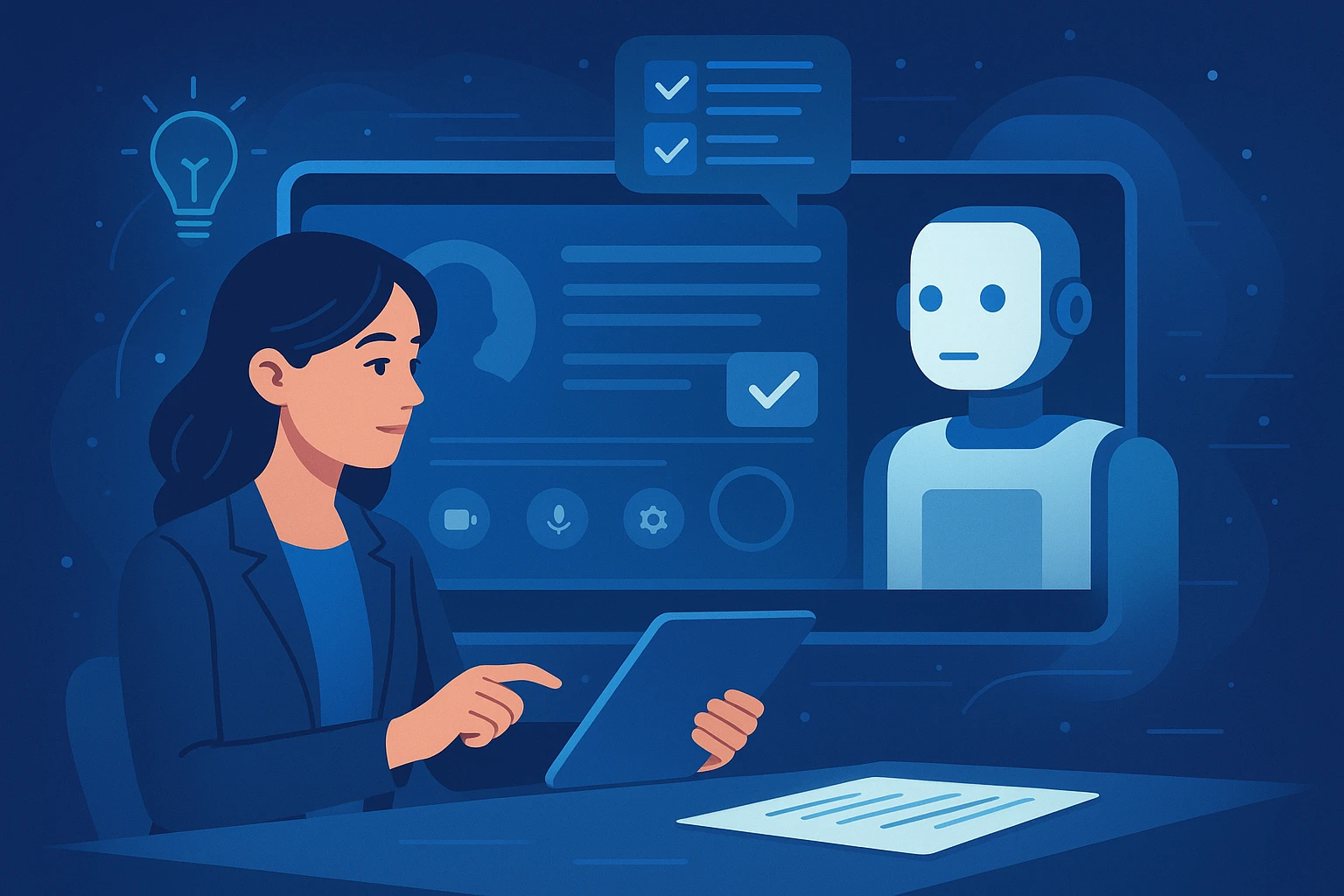
Meeting overload is already here
If your calendar feels like a game of Tetris, you are not alone. A lot of people spend their day jumping from one call to the next, and the strange part is that many meetings start before anyone actually joins.
The meeting already began in the chat thread, in the shared doc, in the quick note you wrote five minutes earlier, and in the follow-up message you will send later. That is why people are starting to rely on AI to handle the boring parts that keep meetings moving.
I have seen this shift in small teams, school projects, and solo work. When the process is messy, people forget details, repeat themselves, and leave with no clear next step. That is exactly where a smart assistant can help.
The real win is not that AI sits in the meeting. It is that AI helps you arrive prepared, stay organized, and leave with something useful.
A better meeting flow is already taking shape
Think about a meeting as four simple steps: preparation, live capture, summary, and follow-up. Once you see it this way, it stops feeling like a pile of random tasks and starts feeling like a system.
Before the meeting, AI can help prepare an agenda, gather the background, and turn loose ideas into a clear plan. You can ask it to organize topics, suggest questions, or make a short brief so everyone knows why the meeting is happening.
During the meeting, AI can capture notes, track decisions, and spot action items. This matters because people do not remember every detail, especially when they are thinking about their own part of the work.
After the meeting, AI can write a summary, draft a follow-up email, and list who is responsible for what. That means less time cleaning up and more time doing the actual work.
This is where prompt writing starts to matter. If you tell AI exactly what you need, the result is far more helpful than a vague request like “summarize this meeting.”
Why clear instructions make all the difference
People often think AI is useful because it is “smart.” In my experience, that is only half the story. The real magic happens when you give it clear direction.
Imagine asking a coworker to “help with the meeting.” They would probably ask for more details. AI is the same. It works much better when you say what kind of meeting it is, who it is for, what the goal is, and what format you want back.
Good instructions save time. Specific instructions save confusion. And structured instructions save you from getting a result that sounds polished but misses the point.
For example, instead of asking for “notes,” you can ask for a short summary with decisions, open questions, and next steps. That small change makes the output far more useful in real life.
It is a simple habit, but it changes everything. The people who learn to ask better questions will get better results, faster, across work, school, and personal projects.
What useful meeting output actually looks like
When AI is guided well, the output can feel like having a highly organized assistant who never gets tired. The key is to ask for the kind of result you would want to read yourself.
Here are a few examples of meeting outputs that are genuinely helpful:
- A clean agenda with topics in the right order and a time estimate for each part.
- A short context note that explains why the meeting is happening and what problem it is trying to solve.
- Action items with names, tasks, and deadlines clearly listed.
- A recap email that sounds polite, concise, and ready to send.
- A decision list so nobody walks away unsure about what was agreed.
These are small things, but they make a big difference. A meeting without them often leads to more messages, more confusion, and more meetings.
In school, this could mean turning a group discussion into a study plan. In business, it could mean converting a messy client call into a clear next-step document. In content creation, it could mean capturing ideas during a brainstorm before they disappear.
The value is not just speed. It is clarity. And clarity is what keeps people from wasting time later.
Clear direction is the skill worth learning now
The future is moving toward tools that can do a lot of the work, but they still need a human who knows what “good” looks like. That is why prompt writing is becoming a practical life skill, not a niche tech trick.
Meetings are a perfect place to practice because the needs are easy to see. You need preparation. You need notes. You need follow-up. If you can guide AI through that flow, you are building a skill that will be useful almost everywhere.
Start small. Ask for a better agenda. Ask for a cleaner summary. Ask for a follow-up message written in your own tone. Then notice how much better the result gets when your request is specific.
People who learn this early will not just use AI more often. They will use it better, with less stress and more confidence.
That is the real shift happening right now. The meetings of the future will not begin when everyone enters the room or joins the call. They will begin much earlier, with the words you choose and the direction you give.
Leave a Reply